

• Skip to primary navigation
  • Skip to main content
  • Skip to primary sidebar
Moon Rice
  • Home
  • Recipes
  • Classes
  • About
menu icon
go to homepage
  • Home
  • Recipes
  • Classes
  • About
    • Facebook
    • Instagram
    • TikTok
  • search icon
    Homepage link
    • Home
    • Recipes
    • Classes
    • About
    • Facebook
    • Instagram
    • TikTok
  • ×
    • A hand holding boondi laddu and the remaining laddus on a sheet tray.
      Boondi Laddu
    • Curried egg salad with cottage cheese and green onions on top of toast on a gray plate.
      High Protein Curried Egg Salad
    • Two slices of edamame chaat avocado toast. The toast has shelled edamame, cut red onions, tomatoes, green bell pepper, cilantro, salt, chaat masala, and thin sev on top.
      Edamame Chaat Avocado Toast
    • Whole coriander seeds next to ground coriander powder
      How to Stock Your Spice Pantry: Whole vs. Ground Spices
    • 10 essential Indian spices laid out in their spice containers. The spices from bottom left to the top are green cardamom, Kashmiri chili powder, turmeric powder, cumin seeds, chaat masala, coriander seeds, black peppercorn, cinnamon sticks, mustard seeds, and asafetida (hing).
      10 Essential Indian Spices + 30 Recipes That Use Them
    • Fluffy stovetop basmati rice in a bronze platter.
      How to Cook Basmati Rice on the Stovetop
    • 4 indian vegetable sides photos. Top left is of cabbage poriyal, top right is of a chickpea chaat salad, bottom left is of crispy kale chaat, and bottom right is of tamarind glazed brussel sprouts.
      Indian Vegetable Side Dishes
    • Pictures of high protein Indian dishes like Black eyed peas curry, chow chow dal, chickpea sundal, and malai chicken kebabs.
      High Protein Indian Recipes
    • A plate with Indian turmeric yellow rice.
      Indian Turmeric Yellow Rice
    • Two glasses of chaat spiced pomegranate mocktail with a candied ginger garnish.
      Chaat Spiced Pomegranate Mocktail
    • A bowl filled with a kala chana or chickpea salad. The salad has black chickpeas, pickled onions, cucumbers, tomatoes, mint, cilantro, and toasted peanuts.
      Kala Chana (Black Chickpea) Salad
    • A bowl with kala chana sundal or sauteed black chickpeas with Indian spices in a small bowl.
      Kala Chana Sundal | Sautéed Black Chickpeas
    Home > Ingredients

    What is moong dal?

    By: Shri Repp • Posted: 02/29/24 • Updated: 02/29/24

    This is the comprehensive guide to moong dal in Indian cooking. Learn how to source the ingredient as well as different recipes that utilize this ingredient.

    Jump to:
    • What is it?
    • Different variations of moong dal
    • Whole green moong dal
    • Split moong dal (with/without skin)
    • Moong dal flour
    • Where to buy it?
    • Recipes that use moong dal
    • Moong dal vs. other Indian dals
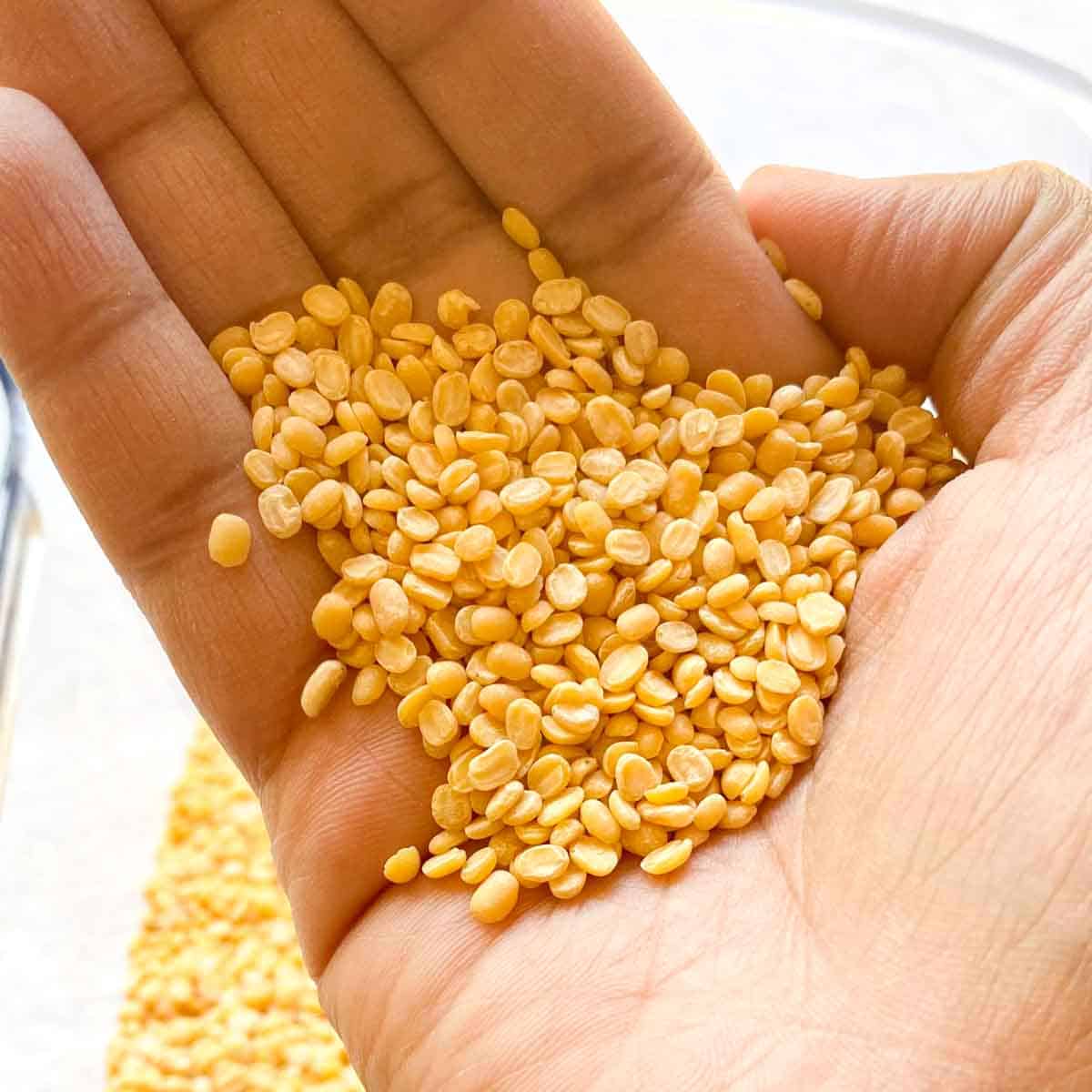
    Hands holding dried moong dal

    What is it?

    Moong dal is a type of dal or lentil that is used in Indian cooking. Moong dal is also known as green gram or mung bean in English and pasi paruppu in Tamil. This is a thin type of lentil that cooks really easily and is used in the dish dal and its variations like spinach dal, as well as sambar. This blog post goes in-depth about moong dal, the lentil. However, if you want a how-to on making dal, the dish, check out this blog post which covers various ways of cooking dal (pressure cooker vs. stovetop) and common mistakes and solutions so that you can make your perfect dal.

    Different variations of moong dal

    In general, most dals including moong dal come in variations such as whole vs. split and hulled vs. not hulled (meaning skin removed or on). For moong dal in particular, the main varieties are green whole moong dal , split moong dal (with skin on), and split moong dal (without skin) (this is most popular when making dal). Below, we will go over the different varieties in detail and explain how each one has a different purpose in Indian cooking.

    Whole green moong dal

    Image of Whole Moong Dal (Unhulled)

    Whole Moong Dal (Unhulled)

    Buy Now →

    Definition:

    Whole moong dal is also known as green gram or whole mung bean and it is the whole form version of the dal that still has the green skin on (it isn't hulled).

    How it is used in Indian cooking:

    • Whole moong dal is often used in dals or curries where the lentil adds texture to the dish. Since it is thick and round, it will retain its shape after cooking. It can also be cooked and added to lentil salads for texture.
    • Whole moong dal is also commonly sprouted in Indian cooking by soaking and allowing the dal to form sprouts. The sprouts are then used in salads, subzis, and curries.
    • Does it need to be soaked? Yes - just like beans, green whole moong dal cooks more evenly when it is soaked before cooked.

    Substitutes:

    Whole masoor dal, Whole urad dal (black skin on), Black eyed peas

    Split moong dal (with/without skin)

    Image of Split Moong Dal

    Split Moong Dal

    Buy Now →
    Image of Split Moong Bean (Unhulled)

    Split Moong Bean (Unhulled)

    Buy Now →

    Definition:

    Split moong dal is moong dal that has been processed and cut into flat disks. Split urad dal can be further categorized into dal with the skin on (green) OR it can be split after the skin is removed (yellow)!

    How it is used in Indian cooking:

    • Split moong dal is used to make creamy dals. Since the dal is split, the dal tends to lose it shape when cooked and melts into a creamy texture.
    • The split moong dal with the skin will have more texture as well as more nutrients compared to the one without the skin! However, the one without the skin will yield a more creamy and velvety texture. The moong dal with the skin will also add a green tinge to dals whereas the one with the skin off has a yellow color.
    • Does it need to be soaked? Nope. It is not required; however, soaking never hurts when cooking dal. It helps cook the dish more evenly.

    Substitutes:

    The best substitute for this dal is split masoor dal (red lentil) because it has a similar thickness, cook time, and taste.

    Moong dal flour

    Image of Moong Dal Flour

    Moong Dal Flour

    Buy Now →

    Definition:

    Moong dal flour is flour that is made from moong dal with the skin removed.

    How it is used in Indian cooking:

    • Moong dal flour is commonly used to make applam, also known as papadum, which is a crunchy dal-based snack.

    Substitutes:

    Urad dal flour

    Where to buy it?

    Moong dal is one of the most popular varieties of dal and is more readily available in the United States compared to other varieties. It is typically sold in Indian supermarkets and Asian supermarkets and often can be found in American supermarkets. In addition, it is pretty easy to find moong dal online on Amazon.

    Image of Whole Moong Dal (Unhulled)

    Whole Moong Dal (Unhulled)

    Buy Now →
    Image of Split Moong Dal

    Split Moong Dal

    Buy Now →
    Image of Split Moong Bean (Unhulled)

    Split Moong Bean (Unhulled)

    Buy Now →
    Image of Moong Dal Flour

    Moong Dal Flour

    Buy Now →

    Recipes that use moong dal

    Here are some recipes that use moong dal. If you are looking for an in-depth how-to for making dal, check this post out that goes over the steps of cooking any dal and techniques (pressure cooker vs. stove top, etc.).
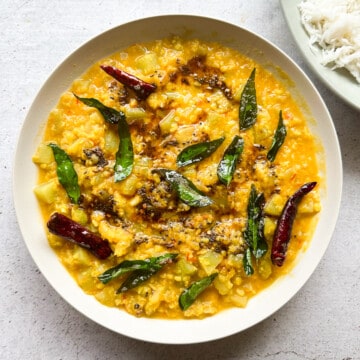
    • Chow chow kootu or a chayote squash dal curry in a white bowl with spices on top.
      Chow Chow Kootu (Chayote Squash Dal Curry)
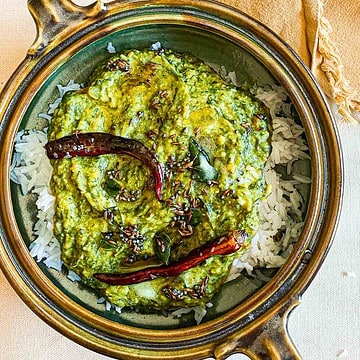
    • Instant pot keerai paruppu over basmati rice
      Keerai Paruppu in Instant Pot | Spinach Moong Dal
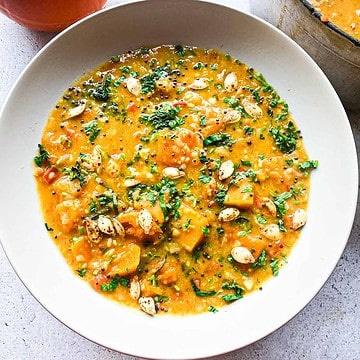
    • Pumpkin sambar in a white bowl
      Pumpkin Sambar with Moong Dal
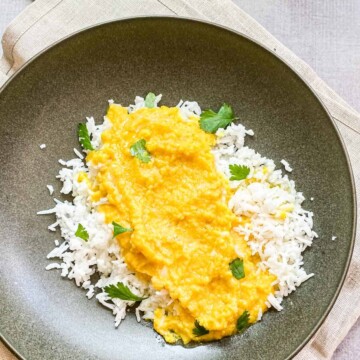
    • Stovetop moong dal over basmati rice in a large bowl.
      Simple Moong Dal without Pressure Cooker

    Moong dal vs. other Indian dals

    This article dives into moong dal and its use cases in particular. However urad dal, toor dal, chana dal, and masoor dal are other varieties that are very common in Indian cooking, each with their own uses cases. Moong dal is most like masoor dal in its properties. Learn more about how this dal compares to the other varieties in the ultimate guide to Indian dals which also goes over their nutritional comparisons.

    This is a high level overview on moong dal! Please leave a comment below letting me know what you thought of this article and if it was helpful to you! I always love hearing your questions and your comments 🙂

    « What is chana dal?
    How-to: Cook Any Indian Dal »

    Reader Interactions

    Leave a Reply Cancel reply

    Your email address will not be published. Required fields are marked *

    Recipe Rating


    Primary Sidebar

    Photo of Shri Repp waving

    Hi! I'm Shri!

    I'm a former Software Engineer turned full time culinary instructor and food writer. My mission with the Moon Rice website is to be your go-to resource for Indian cooking by providing well-tested recipes and in-depth insights that empower you to confidently cook Indian food at home.

    Learn more
    International association of culinary professionals digital media awards finalist badge
    Moon Rice is an IACP finalist for best individual food blog!

    Indian Food Science

    • Which rice is the best for making dosas. Four cups with ponni rice, idli rice, basmati rice, and jasmine rice on a plate.
      What Rice Yields the Best Dosa?
    • Crispy puris for pani puri
      Crispy Puris for Pani Puri
    • 12 brands of ghee spread on parchment paper with the names of the brand above them in marker. Describing the brands from top to bottom and from left to right. Deep brand ghee is on top with a liquidy and grainy consistency that is white. Laxmi brand is creamy and pale white. Amul brand is grainy but solid and also pale. Next row has simple truth organic, 365 foods, and O Organics. Simple truth is liquidy, light yellow, and grainy. 365 foods is grainy, liquidy, and yellow. O organics is yellow and liquidy. Next row has organic valley that is smooth, creamy, and pale yellow. Ancient organics is creamy and light yellow. 4th & heart is light yellow and creamy. Nanak is bright yellow, grainy, and liquidy. Pure Indian foods is grainy, slightly liquidy, and light yellow. Last but not least is homemade ghee made from kerry gold butter and it is liquidy, slightly liquidy, and darker yellow.
      Best Brands of Ghee To Buy
    • A photo with four glass cups of gulab jamuns. 3 of the glasses have an x icon indicating that those are mistakes. 1 glass has a green check mark indicating it is the correct way to make a gulab jamun.
      Common Gulab Jamun Mistakes and Tips for Solving Them

    Indian Cocktails/Mocktails

    • Nimbu pani cocktail with limes and lime zest in the background
      Spicy Nimbu Pani Cocktail | Indian Lime Drink
    • A brown hand holding lychee rose mocktail in a glass with pink hued glasses in the background.
      Lychee Rose Mocktail
    • Indian style watermelon juice with chaat masala
      Indian Style Watermelon Juice with Chaat Masala
    • Gulab jamun cocktail or a saffron gin cocktail in a coupe class with a strand of saffron on the top.
      Gulab Jamun Cocktail (Saffron Gin Cocktail)

    Footer

    • Copyright © 2024 - Moon Rice
    • Recipe Index
    • About
    • Privacy Policy
    • ↑ back to top