


• Skip to primary navigation
  • Skip to main content
  • Skip to primary sidebar
Moon Rice
  • Home
  • Recipes
  • Classes
  • About
menu icon
go to homepage
  • Home
  • Recipes
  • Classes
  • About
    • Facebook
    • Instagram
    • TikTok
  • search icon
    Homepage link
    • Home
    • Recipes
    • Classes
    • About
    • Facebook
    • Instagram
    • TikTok
  • ×
    • A hand holding boondi laddu and the remaining laddus on a sheet tray.
      Boondi Laddu
    • Curried egg salad with cottage cheese and green onions on top of toast on a gray plate.
      High Protein Curried Egg Salad
    • Two slices of edamame chaat avocado toast. The toast has shelled edamame, cut red onions, tomatoes, green bell pepper, cilantro, salt, chaat masala, and thin sev on top.
      Edamame Chaat Avocado Toast
    • Whole coriander seeds next to ground coriander powder
      How to Stock Your Spice Pantry: Whole vs. Ground Spices
    • 10 essential Indian spices laid out in their spice containers. The spices from bottom left to the top are green cardamom, Kashmiri chili powder, turmeric powder, cumin seeds, chaat masala, coriander seeds, black peppercorn, cinnamon sticks, mustard seeds, and asafetida (hing).
      10 Essential Indian Spices + 30 Recipes That Use Them
    • Fluffy stovetop basmati rice in a bronze platter.
      How to Cook Basmati Rice on the Stovetop
    • 4 indian vegetable sides photos. Top left is of cabbage poriyal, top right is of a chickpea chaat salad, bottom left is of crispy kale chaat, and bottom right is of tamarind glazed brussel sprouts.
      Indian Vegetable Side Dishes
    • Pictures of high protein Indian dishes like Black eyed peas curry, chow chow dal, chickpea sundal, and malai chicken kebabs.
      High Protein Indian Recipes
    • A plate with Indian turmeric yellow rice.
      Indian Turmeric Yellow Rice
    • Two glasses of chaat spiced pomegranate mocktail with a candied ginger garnish.
      Chaat Spiced Pomegranate Mocktail
    • A bowl filled with a kala chana or chickpea salad. The salad has black chickpeas, pickled onions, cucumbers, tomatoes, mint, cilantro, and toasted peanuts.
      Kala Chana (Black Chickpea) Salad
    • A bowl with kala chana sundal or sauteed black chickpeas with Indian spices in a small bowl.
      Kala Chana Sundal | Sautéed Black Chickpeas
    Home > Recipes > Desserts

    Pal Payasam | Stovetop Indian Rice Pudding With Evaporated Milk

    By: Shri Repp • Posted: 04/14/22 • Updated: 09/20/24

    Jump to Recipe

    Pal payasam is an Indian rice pudding perfumed with cardamom. This stovetop pal payasam uses evaporated milk for a warm and decadent dessert that comes together quickly.
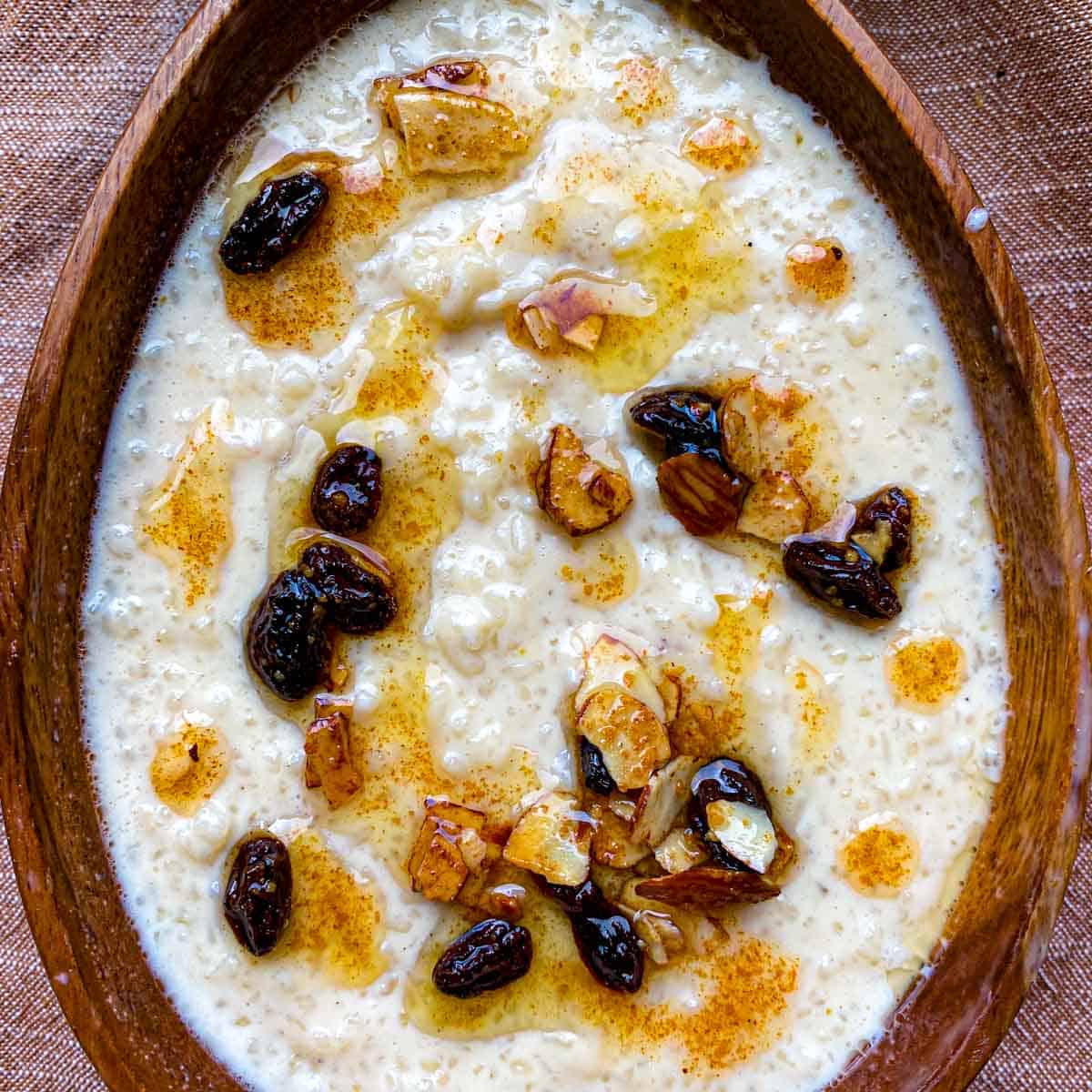
    Pal payasam or Indian rice pudding in a bowl with ghee, raisins, and nuts

    What rice to use for pal payasam?

    The short answer is that you should use whatever rice you have stocked in your home for rice pudding. However, I do have a few suggestions depending on how you like your payasam. If, like me, you prefer a payasam with a delicate and floral taste, then use basmati or jasmine rice. If you prefer a creamier rice pudding, opt for a short grain rice variety which contains more starch that creates a thicker consistency.
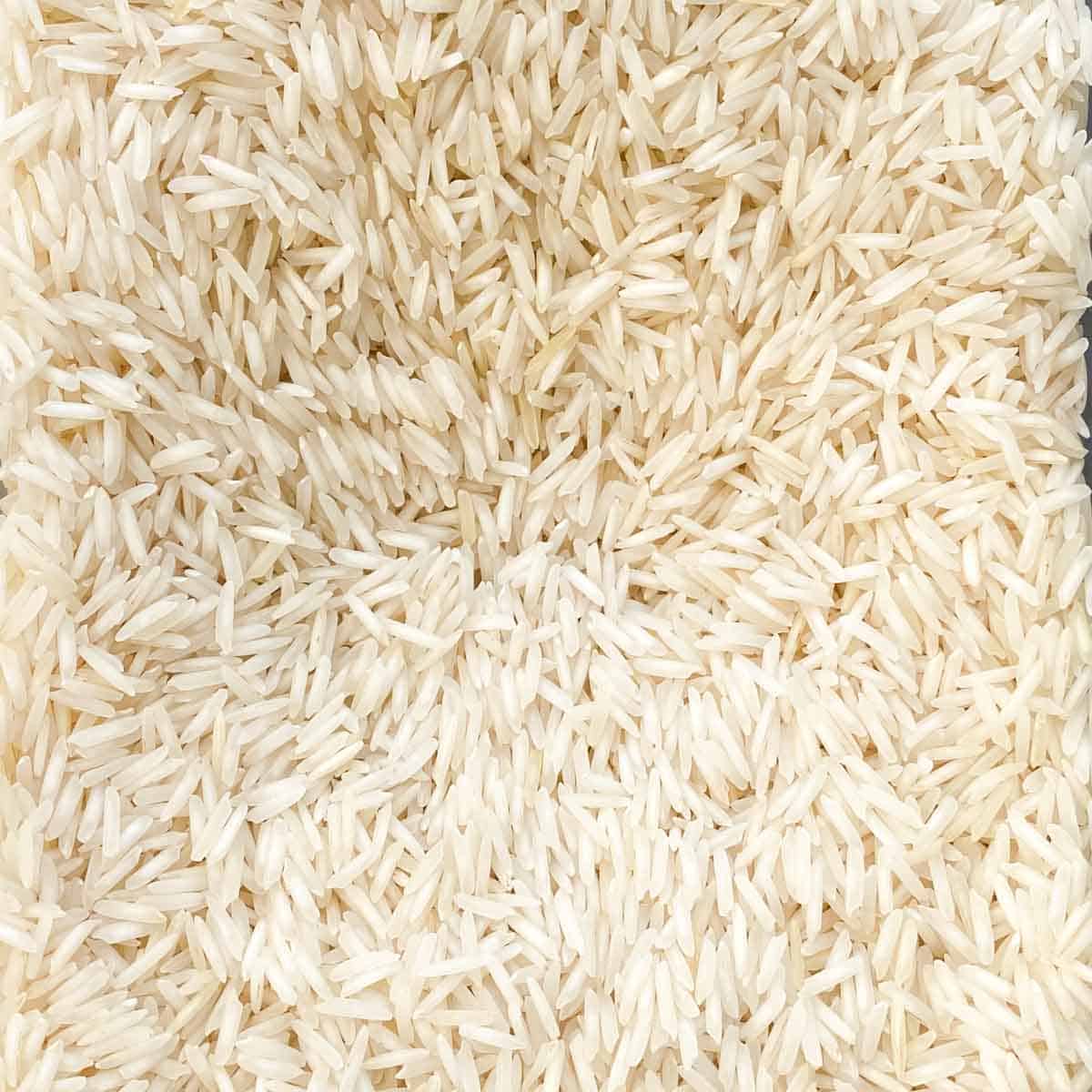
    Basmati rice granules before being cooked
    Long grain basmati rice

    Payasam with cooked rice

    Cooking rice in water first before adding the milk is the easiest way to cook rice pudding quickly. When milk is added, you'll have to watch over the stove to make sure the milk doesn't burn and cook the rice at low temperatures. You don't face that problem if you do the initial cook with water instead.
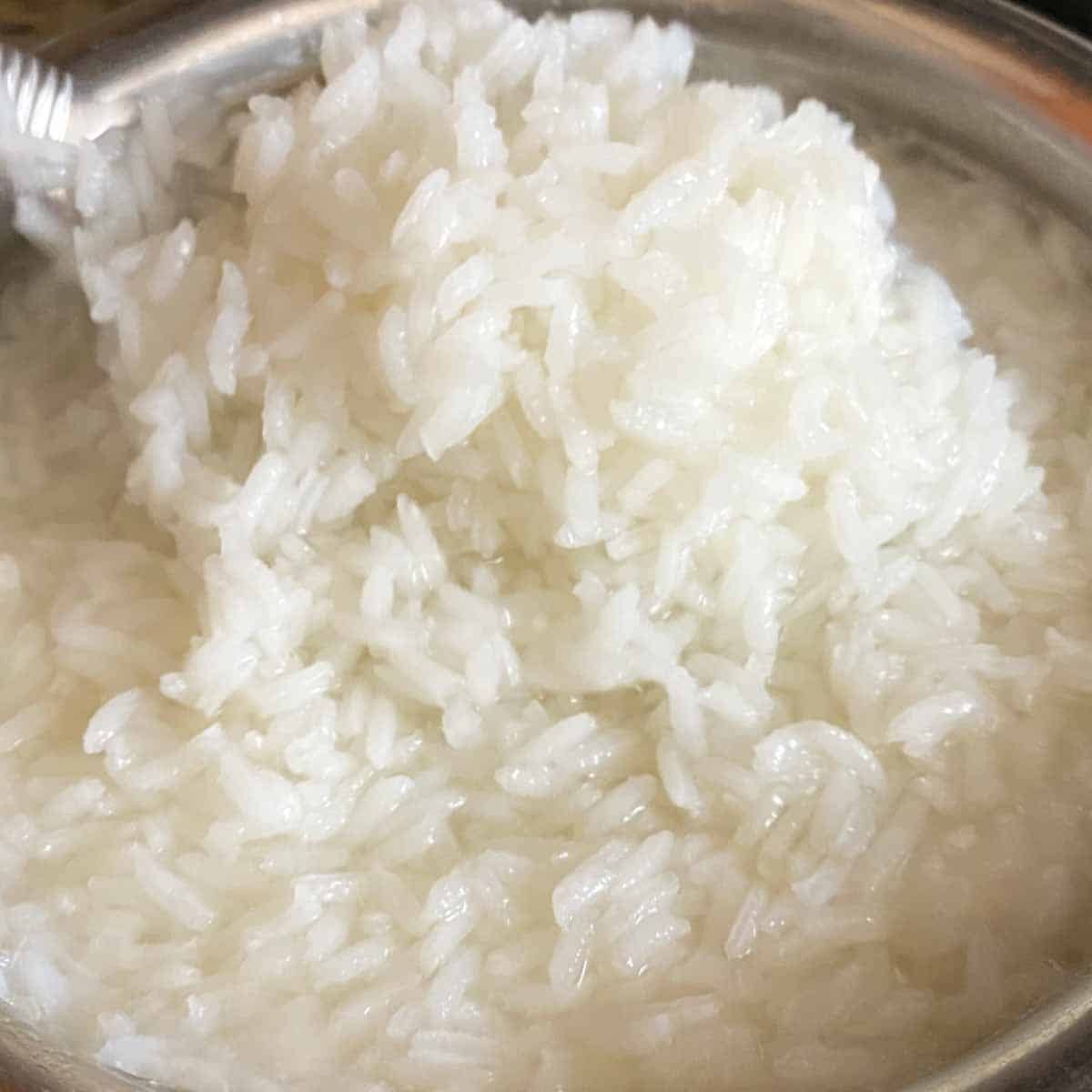
    Basmati rice cooked in water for rice pudding

    Leftover or cooked rice makes for great rice pudding. Rice pudding calls for rice that is "overcooked" and is soft and mushy. So simply add your previously cooked rice to half the amount of water called for in this recipe to create a mushy rice for the pudding. If you have overcooked rice to start with, then even better. Then follow the recipe as stated to transform your leftovers into a delicious and creamy dessert.

    Evaporated milk creates a decadent pal payasam quickly

    This recipe intentionally uses evaporated milk to create a creamy pal payasam without waiting for the milk to thicken. Evaporated milk has 60% of the water removed from the milk so you don't have to wait at the stove to reduce and thicken your milk.

    Adding the evaporated milk once the rice is cooked through at the end helps ensure that the milk doesn't burn and creates a creamy pal payasam. The best part is that evaporated milk is a shelf stable and can sit in your pantry for you to use at anytime. However, if you opt to use regular milk, simply simmer for a longer period of time until the milk thickens. I also opt not to use condensed milk as it is evaporated milk with loads of sugar, which makes for an ultra sweet rice pudding. I like to control the sweetness and add sugar to my liking.

    Tips for making the best pal payasam
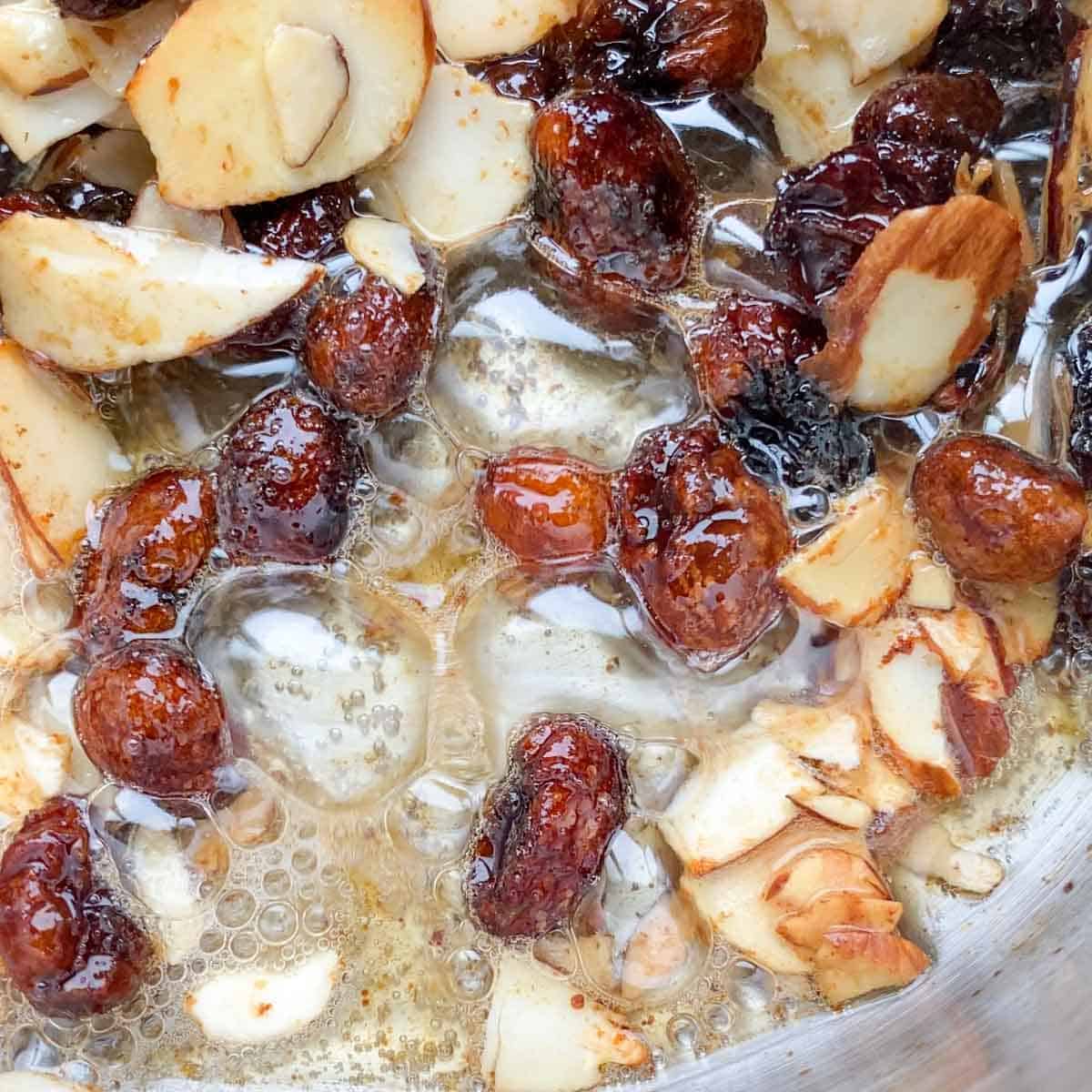
    Raisins and nuts roasting in ghee
    • Wash the rice before cooking it - Removing excess starches and residues ensures that the rice cooks evenly and properly.
    • Cook rice in water before adding milk - Lots of recipes call for cooking the rice in milk. However, I prefer to cook the rice in water before adding the milk. Water doesn't need attending like milk which can burn easily. This allows me to walk away from the rice when it's cooking.
    • Use evaporated milk for a rich pal payasam - Evaporated milk has 60% of water removed from the milk. This makes evaporated milk a thicker and creamier addition to your payasam than regular milk. In addition, it doesn't require long simmering like regular milk to thicken. I also prefer evaporated milk to condensed milk. Condensed milk has a lot a lot of sugar added which leads to a payasam that is overly sweet.
    • Add crunchy toppings and tangy ones for variety - Adding toasted nuts creates crunch to contrast the creamy payasam. Adding plump and tart raisins cuts the sweetness and decadence. The two create different textures and flavors for a well balanced dessert.
    • Stir the bottom of the saucepan once milk is added to ensure that the milk doesn't burn.
    • Serve pal payasam warm - This tip is more of a personal preference. This dish is traditionally served warm. However, if you prefer cold payasam, I suggest adding a bit more sugar and adding the toppings before serving. Adding more sugar is necessary as the perceived sweetness diminishes when the dish is cold. Adding nuts/raisins at the end ensures the nuts don't get soft before eating.

    Frequently Asked Questions

    Can payasam or rice pudding be frozen?

    Payasam stores very well in the in the freezer. Simply store the payasam or rice pudding without the raisin and nut toppings and it will store in the freezer for a 1-2 months.

    How long can rice pudding last?

    Rice pudding will last in the fridge for 3-4 days or in the freezer without the toppings for 1-2 months.

    Can this be made with alternative milk?

    You can make this with alternative milks like oat milk or coconut milk.

    What rice to use for payasam?

    This recipe uses basmati rice, a long grain rice, for its floral flavor. However, you can alternatively use a short grain rice as well which will yield a creamy payasam.

    Can rice be substituted for tapioca?

    Yes! You can substitute tapioca, also called sabudana in Indian grocery stores, for rice.
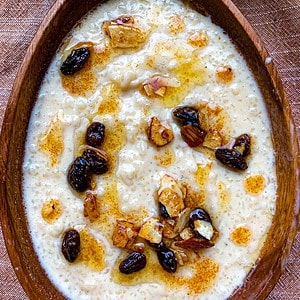
    Pal Payasam or Indian rice pudding in a bowl with ghee and raisins and nuts

    Pal Payasam | Stovetop Indian Rice Pudding With Evaporated Milk

    Shri Repp
    Pal payasam is an Indian rice pudding perfumed with cardamom. This stovetop pal payasam uses evaporated milk for a warm and decadent dessert that comes together quickly.
    5 from 1 vote
    Print Recipe Pin Recipe
    Cook Time 25 minutes mins
    Course Dessert
    Servings 1 cup
    Prevent your screen from going dark

    Ingredients
     

    • ½ cup basmati rice
    • ⅛ teaspoon sea salt
    • 2 cups water
    • 1 12oz can evaporated milk
    • ¼ cup sugar
    • ¼ teaspoon cardamom Powder
    • 3 tablespoon ghee
    • 2 tablespoons raisins
    • 2 tablespoons chopped nuts like pistachios, cashews, or almonds

    Instructions
     

    1. Add ½ cup basmati rice to a medium saucepan. Fill the pot halfway with water and swish and lightly scrub the rice with your fingers to release the excess starch in the rice. Drain the cloudy water and repeat this process until the water is fairly clear, then drain once more.
    2. Add ⅛ teaspoon sea salt and 2 cups water to the saucepan on medium heat. Once the water begins to boil, lower the heat to medium-low and simmer for 15-20 minutes or until the rice is cooked through and slightly mushy and most of the water has evaporated. 
    3. Add 1 12oz can evaporated milk, ¼ cup sugar, and ¼ teaspoon cardamom Powder to the saucepan and mix. Use the back of your spoon to lightly mash the rice with the milk. Simmer the milk on medium-low heat for 5-7 minutes, making sure to continuously stir, until the sugar is dissolved and the payasam is your desired thickness. Simmer for a longer period time for a thicker and creamier payasam.
    4. Make the Topping: Towards the end of the cook time for the payasam,make the topping in another small saucepan. Add 3 tablespoon ghee to the saucepan and toast 2 tablespoons raisins and 2 tablespoons chopped nuts of your choice in the ghee. Roast for 2-3 minutes or until the raisins plump up and the nuts have a light brown color to them. 
    5. Spoon the ghee, nut, and raisin mixture on top of the payasam and serve warm.
    If you tried this recipe, please consider leaving a comment and star rating below! It makes my day and your feedback helps the blog immensely.

    Notes and Tips

    • For a thicker pal payasam, simmer the payasam in the milk for a longer period of time. For a looser payasam that is runny, simmer the payasam less or add additional milk.
    • Stirring the pal payasam once the evaporated milk is added is important to ensure that the milk at the bottom of the pan doesn't burn.
    • You can alternatively make this dish with cooked or leftover rice. Simply add the precooked rice to the saucepan with ½ the amount of water listed and follow the remaining steps listed in the recipe.
    Did you make this recipe?Tag @moonriceshri so I can see your amazing creation!

    Related Recipes You'll Love

    • Pineapple Kesari (A sweet semolina Dessert)
    • Kesar Mango Ice Cream
    • Khajur Burfi (Indian Date and Nut Roll)
    « Indian Spiced Caramelized Onion Puff Pastry Pinwheels
    What Rice Yields the Best Dosa? »

    Reader Interactions

    Comments

    1. кракен даркнет

      July 29, 2024 at 10:10 am

      5 stars
      Excellent blog you have got here.. It's hard to find high quality writing like yours nowadays.
      I honestly appreciate individuals like you! Take care!!

      Reply

    Leave a Reply Cancel reply

    Your email address will not be published. Required fields are marked *

    Recipe Rating


    Primary Sidebar

    Photo of Shri Repp waving

    Hi! I'm Shri!

    I'm a former Software Engineer turned full time culinary instructor and food writer. My mission with the Moon Rice website is to be your go-to resource for Indian cooking by providing well-tested recipes and in-depth insights that empower you to confidently cook Indian food at home.

    Learn more
    International association of culinary professionals digital media awards finalist badge
    Moon Rice is an IACP finalist for best individual food blog!

    Indian Food Science

    • Which rice is the best for making dosas. Four cups with ponni rice, idli rice, basmati rice, and jasmine rice on a plate.
      What Rice Yields the Best Dosa?
    • Crispy puris for pani puri
      Crispy Puris for Pani Puri
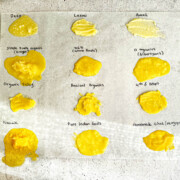
    • 12 brands of ghee spread on parchment paper with the names of the brand above them in marker. Describing the brands from top to bottom and from left to right. Deep brand ghee is on top with a liquidy and grainy consistency that is white. Laxmi brand is creamy and pale white. Amul brand is grainy but solid and also pale. Next row has simple truth organic, 365 foods, and O Organics. Simple truth is liquidy, light yellow, and grainy. 365 foods is grainy, liquidy, and yellow. O organics is yellow and liquidy. Next row has organic valley that is smooth, creamy, and pale yellow. Ancient organics is creamy and light yellow. 4th & heart is light yellow and creamy. Nanak is bright yellow, grainy, and liquidy. Pure Indian foods is grainy, slightly liquidy, and light yellow. Last but not least is homemade ghee made from kerry gold butter and it is liquidy, slightly liquidy, and darker yellow.
      Best Brands of Ghee To Buy
    • A photo with four glass cups of gulab jamuns. 3 of the glasses have an x icon indicating that those are mistakes. 1 glass has a green check mark indicating it is the correct way to make a gulab jamun.
      Common Gulab Jamun Mistakes and Tips for Solving Them

    Indian Cocktails/Mocktails

    • Nimbu pani cocktail with limes and lime zest in the background
      Spicy Nimbu Pani Cocktail | Indian Lime Drink
    • A brown hand holding lychee rose mocktail in a glass with pink hued glasses in the background.
      Lychee Rose Mocktail
    • Indian style watermelon juice with chaat masala
      Indian Style Watermelon Juice with Chaat Masala
    • Gulab jamun cocktail or a saffron gin cocktail in a coupe class with a strand of saffron on the top.
      Gulab Jamun Cocktail (Saffron Gin Cocktail)

    Footer

    • Copyright © 2024 - Moon Rice
    • Recipe Index
    • About
    • Privacy Policy
    • ↑ back to top