



• Skip to primary navigation
  • Skip to main content
  • Skip to primary sidebar
Moon Rice
  • Home
  • Recipes
  • Classes
  • About
menu icon
go to homepage
  • Home
  • Recipes
  • Classes
  • About
    • Facebook
    • Instagram
    • TikTok
  • search icon
    Homepage link
    • Home
    • Recipes
    • Classes
    • About
    • Facebook
    • Instagram
    • TikTok
  • ×
    • A hand holding boondi laddu and the remaining laddus on a sheet tray.
      Boondi Laddu
    • Curried egg salad with cottage cheese and green onions on top of toast on a gray plate.
      High Protein Curried Egg Salad
    • Two slices of edamame chaat avocado toast. The toast has shelled edamame, cut red onions, tomatoes, green bell pepper, cilantro, salt, chaat masala, and thin sev on top.
      Edamame Chaat Avocado Toast
    • Whole coriander seeds next to ground coriander powder
      How to Stock Your Spice Pantry: Whole vs. Ground Spices
    • 10 essential Indian spices laid out in their spice containers. The spices from bottom left to the top are green cardamom, Kashmiri chili powder, turmeric powder, cumin seeds, chaat masala, coriander seeds, black peppercorn, cinnamon sticks, mustard seeds, and asafetida (hing).
      10 Essential Indian Spices + 30 Recipes That Use Them
    • Fluffy stovetop basmati rice in a bronze platter.
      How to Cook Basmati Rice on the Stovetop
    • 4 indian vegetable sides photos. Top left is of cabbage poriyal, top right is of a chickpea chaat salad, bottom left is of crispy kale chaat, and bottom right is of tamarind glazed brussel sprouts.
      Indian Vegetable Side Dishes
    • Pictures of high protein Indian dishes like Black eyed peas curry, chow chow dal, chickpea sundal, and malai chicken kebabs.
      High Protein Indian Recipes
    • A plate with Indian turmeric yellow rice.
      Indian Turmeric Yellow Rice
    • Two glasses of chaat spiced pomegranate mocktail with a candied ginger garnish.
      Chaat Spiced Pomegranate Mocktail
    • A bowl filled with a kala chana or chickpea salad. The salad has black chickpeas, pickled onions, cucumbers, tomatoes, mint, cilantro, and toasted peanuts.
      Kala Chana (Black Chickpea) Salad
    • A bowl with kala chana sundal or sauteed black chickpeas with Indian spices in a small bowl.
      Kala Chana Sundal | Sautéed Black Chickpeas
    Home > Recipes > Ingredients

    Homemade Tamarind Water for Indian Cooking

    By: Shri Repp • Posted: 07/06/22 • Updated: 08/29/24

    Jump to Recipe

    Homemade tamarind water is a two ingredient recipe that is so easy to make and will add a complex sour and sweet flavor to your Indian cooking.
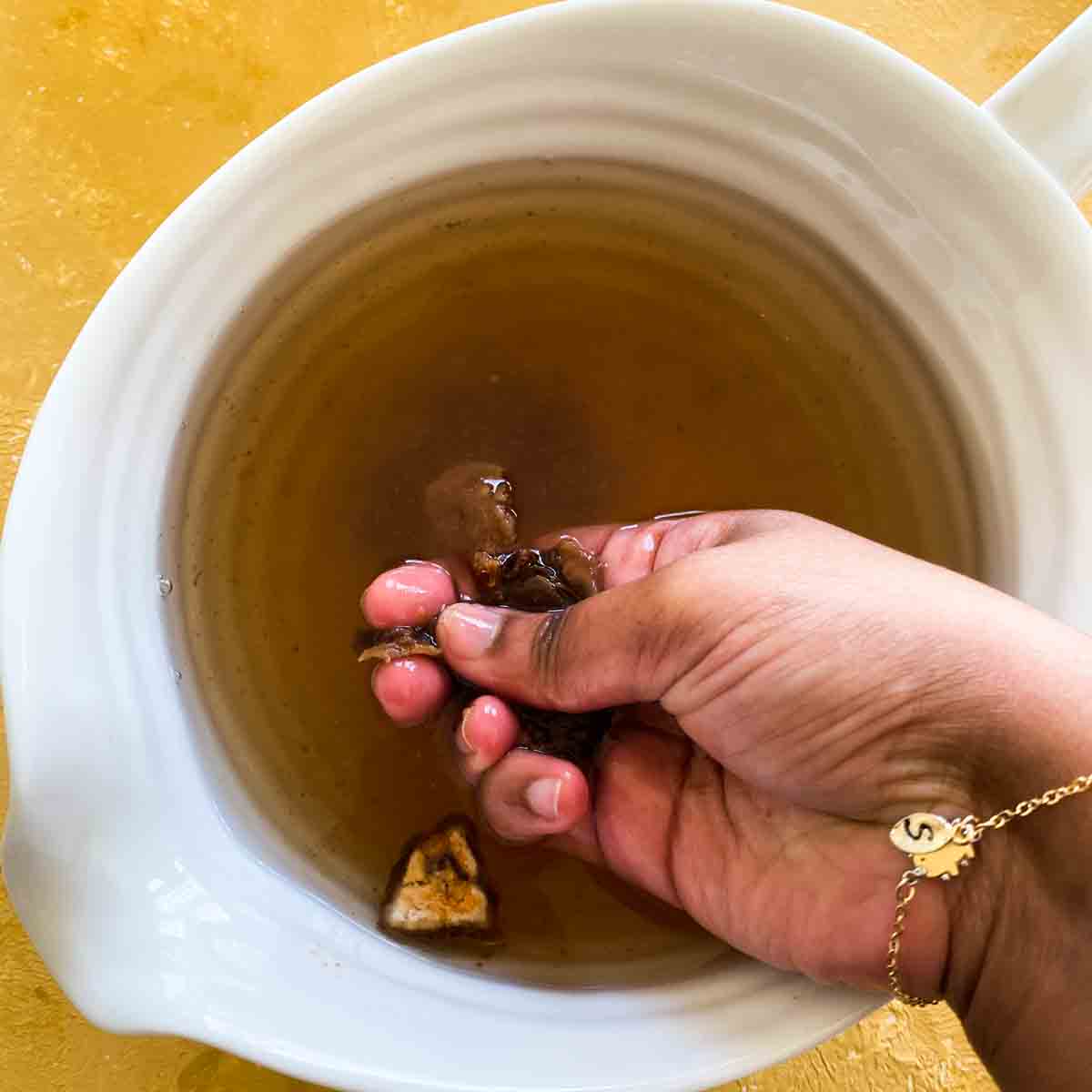
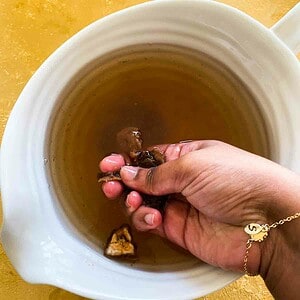
    Tamarind pulp being squeezed to infuse the water

    What is tamarind water?

    Indian recipes often call for tamarind water in soups and curries like rasam or sambar. Tamarind water is a sweet and sour liquid made by soaking and squishing tamarind pulp in warm water and then filtering the tamarind flesh to leave a light brown liquid packed with sour flavor. A quick tamarind water can also be made by diluting store-bought tamarind concentrate in water. However, the concentrate does not provide as fresh and clean of a taste as using the tamarind pulp.
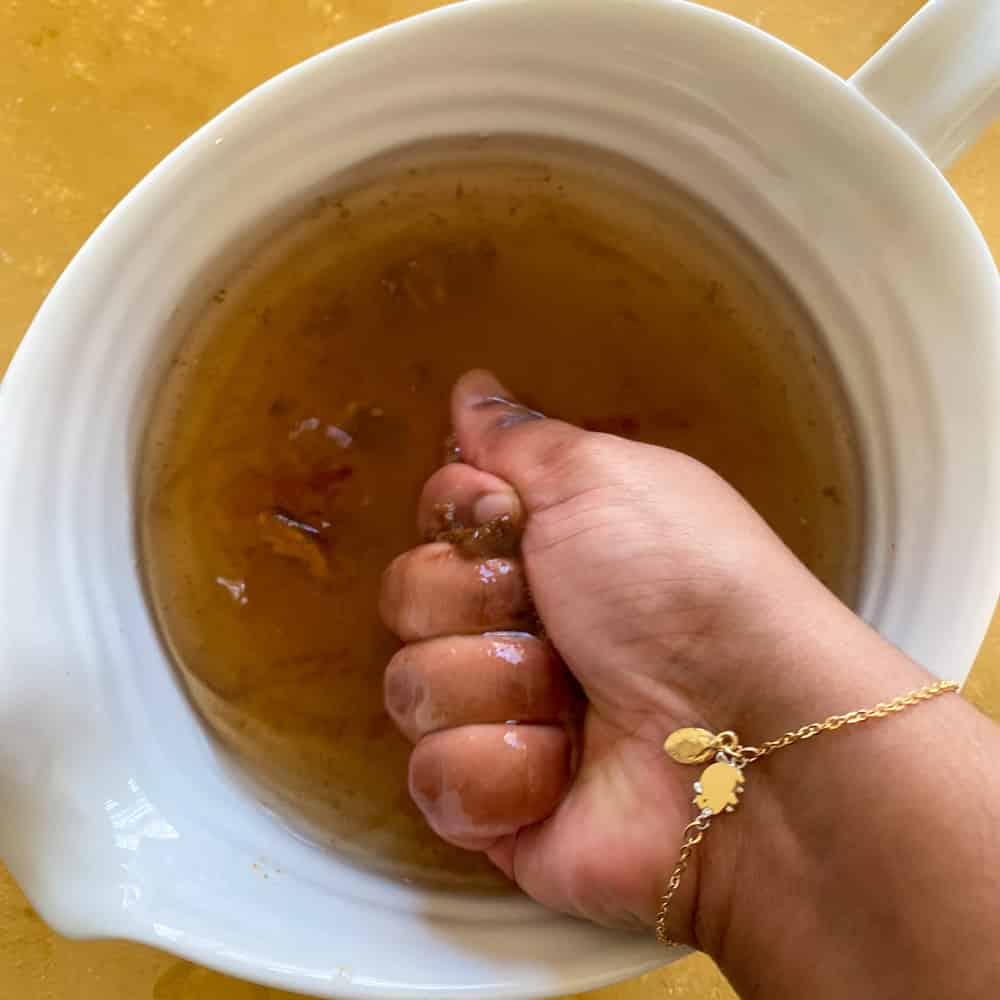
    Tamarind Pulp being squeezed in water

    When the tamarind is soaked in warm water, it rehydrates the tamarind pulp and makes it soft enough to squeeze. By squeezing the soft flesh, the tamarind flavor is easily infused to the warm water. It is important to strain the tamarind water with a strainer as the fibrous tamarind flesh and the hard tamarind seeds are not pleasant to eat especially when you add them to broth-y recipes like rasam that utilize tamarind water.
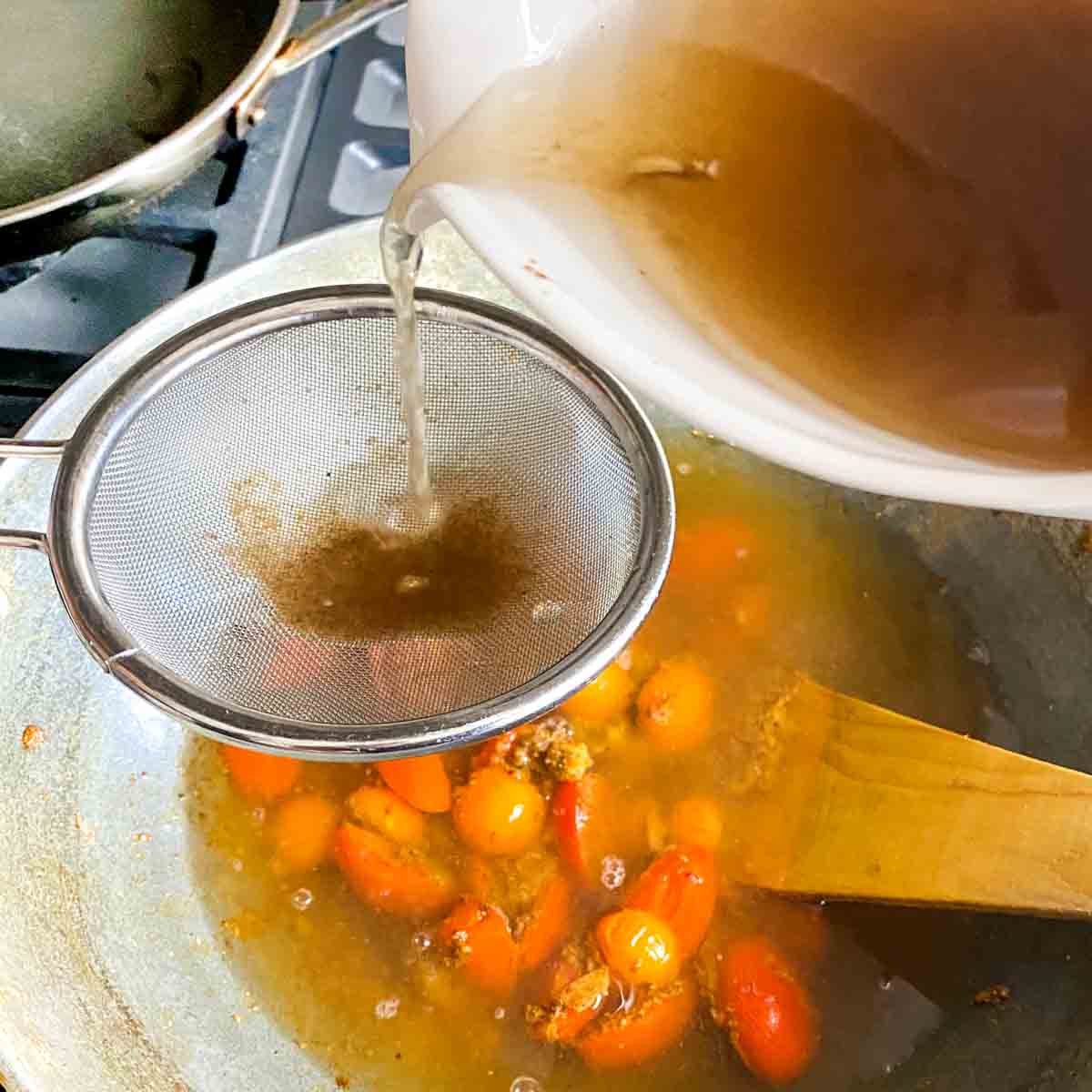
    The tamarind water is being strained into the pot of rasam

    What is tamarind pulp and where can I buy it?

    Tamarind pulp is the fibrous flesh of the tamarind fruit. Tamarind pulp is usually dehydrated and sold in Indian stores in large blocks. Dehydrating the pulp gives it a really long shelf life, allowing it to stay in your kitchen pantry for a long time. It is so easy to get tamarind these days, even at your local super market, but it will definitely be found at your local Indian store or online.
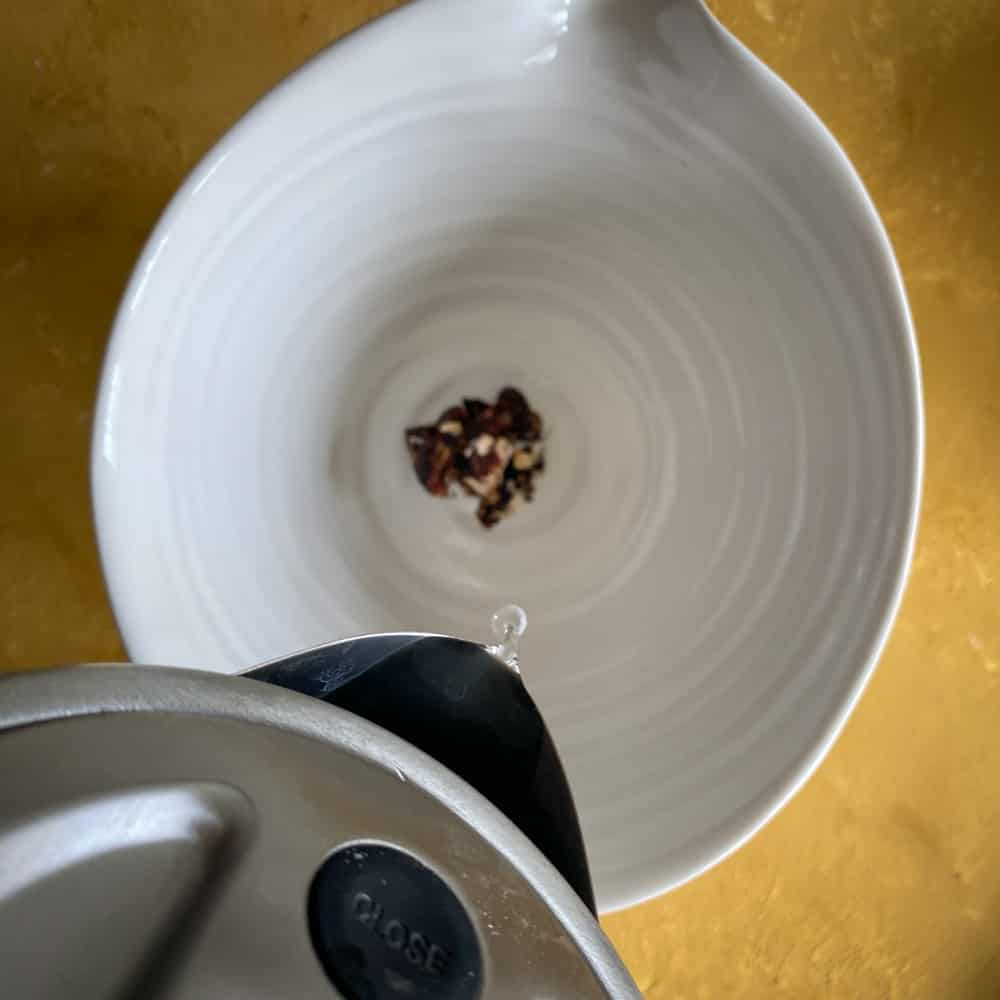
    Tamarind Pulp about to be soaked in hot water

    Tamarind Pulp vs. Paste vs. Concentrate

    Tamarind pulp, usually sold in blocks, is dehydrated tamarind flesh that needs to be soaked before use, whereas tamarind paste and concentrate are ready-to-use liquid products that are made from tamarind skins.

    Tamarind pulp is favored when tamarind is the star ingredient of a dish as it gives a fresh and clean tamarind taste. Tamarind paste and concentrate are often favored as quick substitutes to get the tamarind flavor without having to spend the time it takes to rehydrate tamarind pulp.

    As for the difference between tamarind paste and concentrate: these products are nearly identical; however, tamarind pastes tend to be thicker than concentrates. Paste and concentrates can be used as substitutes for tamarind as stated below.

    Tamarind Substitutes

    Tamarind Water½ cup of tamarind water made from 10g of tamarind pulp (ping pong ball size)
    Tamarind Concentrate1 teaspoon of tamarind concentrate
    Lemon Juice2 tsps of lemon juice. Add towards end of cooking time

    For tamarind water, you can substitute 1-2 teaspoon of tamarind concentrate or 2 tsps of lemon juice in place of ¼ cup of tamarind water made from a ping pong ball sized tamarind pulp (10g). When using lemon juice as a substitute, make sure to add it towards the end of the cooking process as the sour lemon flavor diminishes with heat.

    What can I make with tamarind water?

    There are soooo many recipes that utilize tamarind water for the duo of sweet and sour notes. My favorite South Indian dishes on the blog that utilize and highlight tamarind water are definitely rasam and sambar! Rasam is a brothy soup that gets its sourness from the tamarind water, and sambar is a hearty lentil-based soup that gets its acid from this special ingredient. Both of these dishes are satisfying when ladled over rice for a delicious meal. In addition, I love making a thick sweet and sour tamarind date chutney for chaats that utilize the sourness from tamarind.
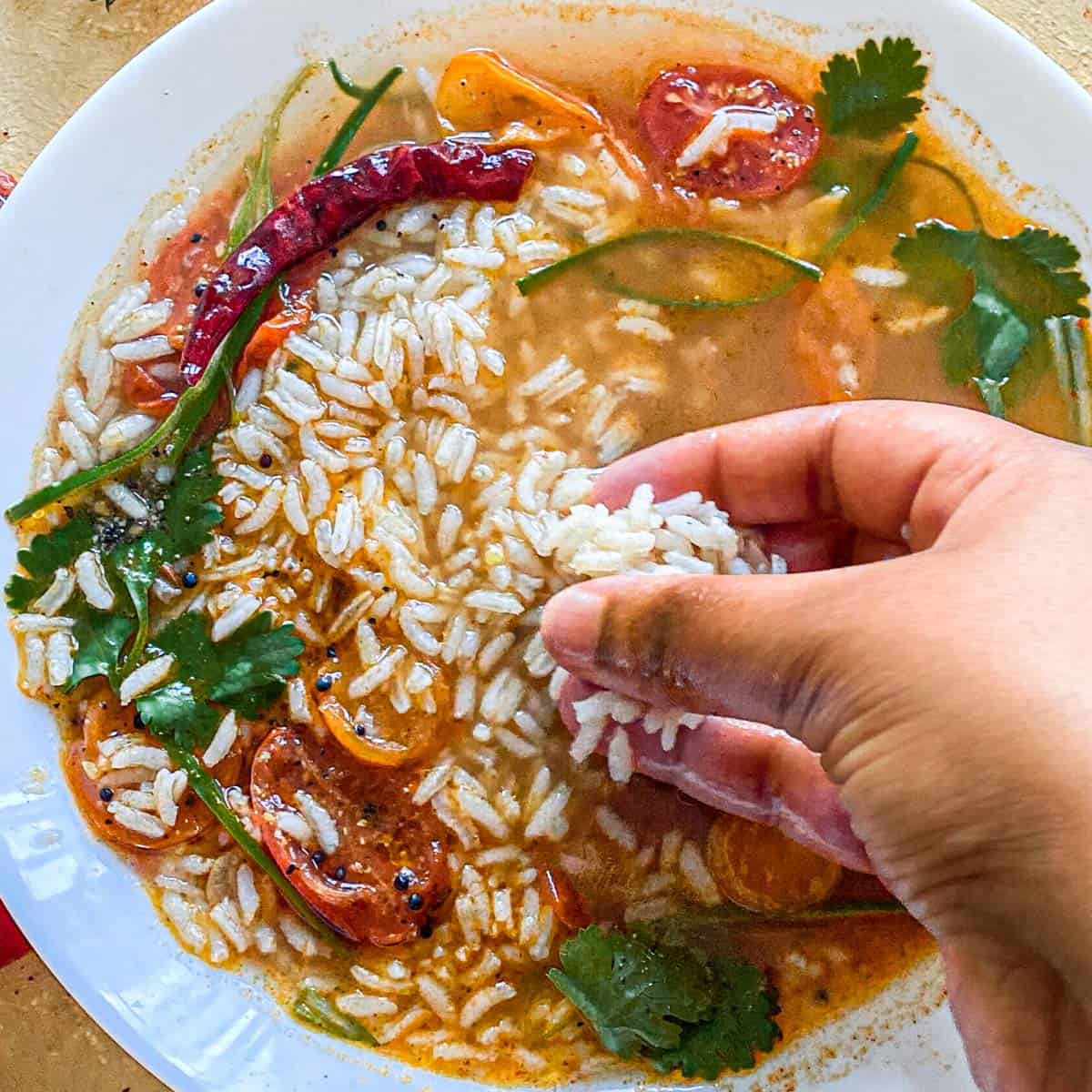
    Milagu Jeera Rasam Sadam

    Milagu jeera rasam sadam or rasam rice served in a bowl. Hands are being as utensils to scoop up the rasam rice.
    Milagu Jeera Rasam Sadam | Spicy Rasam Rice

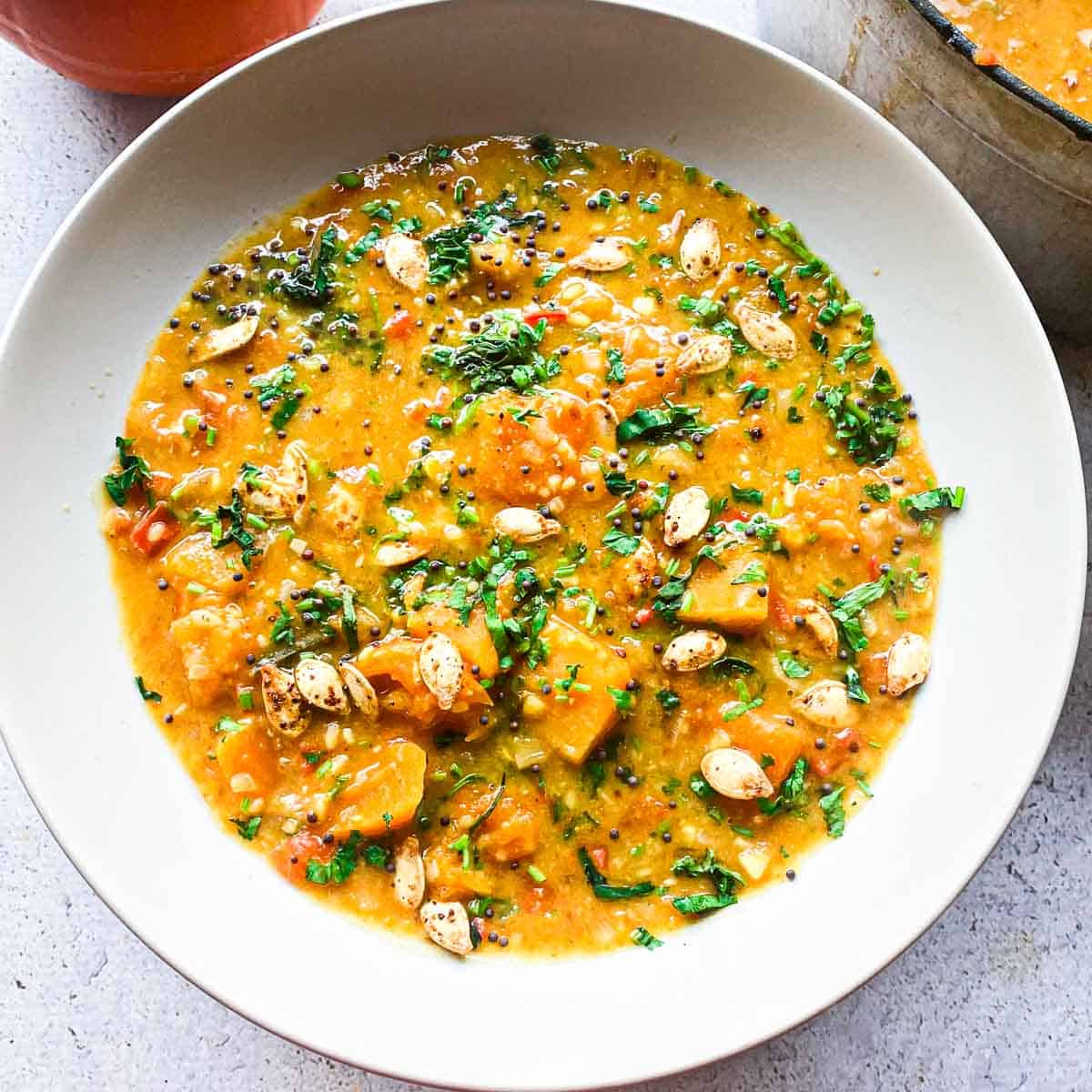
    Pumpkin Sambar with Moong Dal

    Pumpkin sambar in a white bowl
    Pumpkin Sambar with Moong Dal

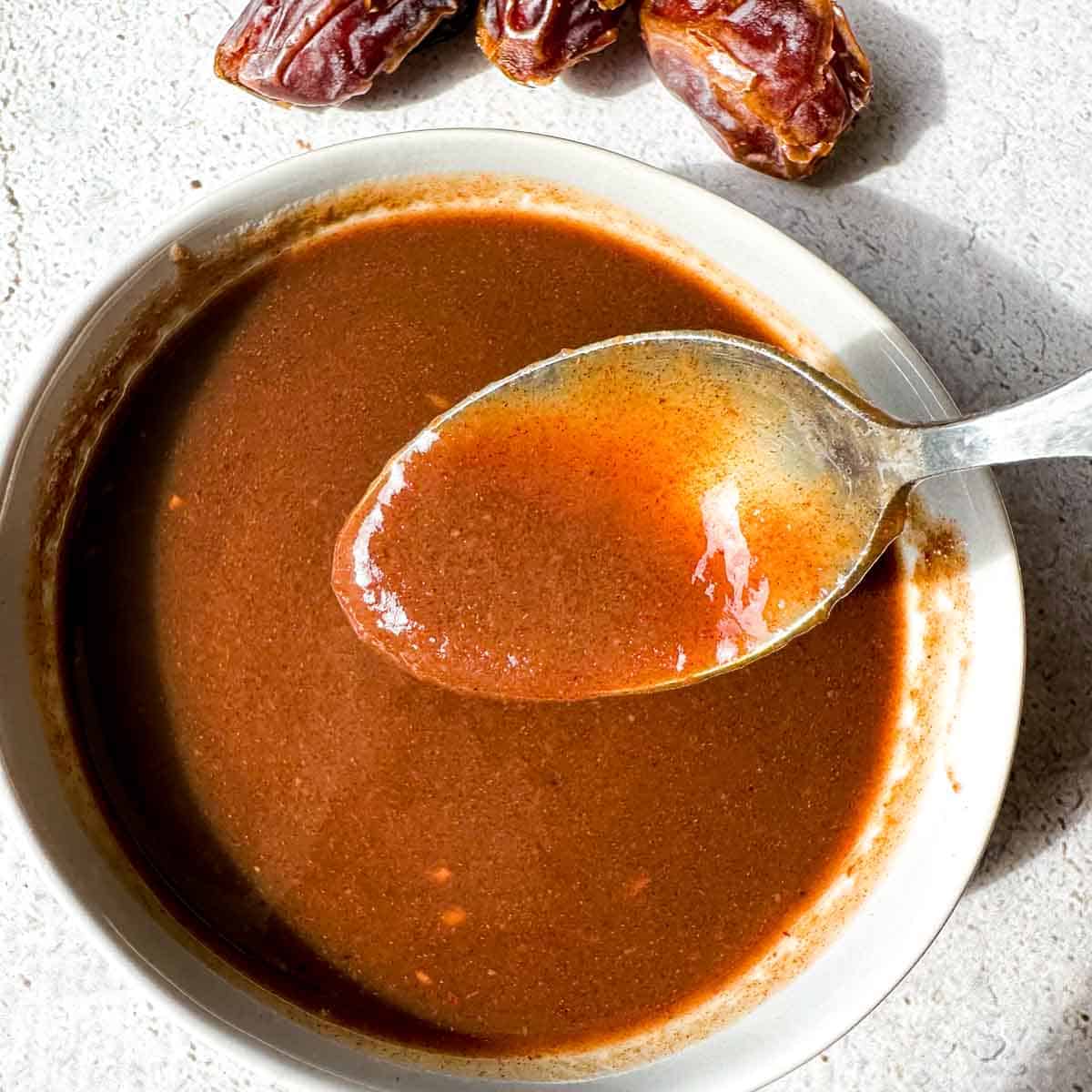
    Tamarind-Date Chutney

    Tamarind chutney in a small gray bowl with a spoon scooping some sauce out. Dried medjool dates in the background
    Imli Khajur Chutney (Tamarind Date Sauce)
    Tamarind pulp being squeezed to infuse the water

    Homemade Tamarind Water for Indian Cooking

    Shri Repp
    Homemade tamarind water is a two ingredient recipe that is so easy to make and will add a complex sour and sweet flavor to your Indian cooking. 
    5 from 1 vote
    Print Recipe Pin Recipe
    Prep Time 15 minutes mins
    Course Ingredient
    Servings 0.5 cup
    Prevent your screen from going dark

    Ingredients
     

    • 10g tamarind pulp
    • ½ cup hot water 160F

    Instructions
     

    1. Add 10g tamarind pulp to ½ cup hot water and allow it to soak for 10 minutes
    2. Once the water is cool enough to touch, squeeze the tamarind pulp in between your fingers until the tamarind water turns brown. It is ok if the pulp breaks down as you squeeze it.
    3. Using a strainer, strain the water mixture into a small bowl to get the filtered tamarind water that is ready for use. Use the tamarind water immediately for the freshest taste or refrigerate for up to a day until you are ready to use.
    If you tried this recipe, please consider leaving a comment and star rating below! It makes my day and your feedback helps the blog immensely.

    Notes and Tips

    • You can purchase tamarind pulp online or at your local Indian store. It will be sold in a large, dehydrated block. 
    Did you make this recipe?Tag @moonriceshri so I can see your amazing creation!
    « Kesar Mango Ice Cream
    Homemade Instant Rasam Powder »

    Reader Interactions

    Comments

    1. Shri Repp

      July 06, 2022 at 9:41 am

      5 stars

      Reply
    2. Rita Duffy

      November 25, 2022 at 9:38 pm

      This is a good tip particularly to those new to the blogosphere.Short but very accurate information... Many thanks forsharing this one. A must read article!

      Reply
    3. Prabhu

      November 28, 2022 at 1:32 am

      Reply

    Leave a Reply Cancel reply

    Your email address will not be published. Required fields are marked *

    Recipe Rating


    Primary Sidebar

    Photo of Shri Repp waving

    Hi! I'm Shri!

    I'm a former Software Engineer turned full time culinary instructor and food writer. My mission with the Moon Rice website is to be your go-to resource for Indian cooking by providing well-tested recipes and in-depth insights that empower you to confidently cook Indian food at home.

    Learn more
    International association of culinary professionals digital media awards finalist badge
    Moon Rice is an IACP finalist for best individual food blog!

    Indian Food Science

    • Which rice is the best for making dosas. Four cups with ponni rice, idli rice, basmati rice, and jasmine rice on a plate.
      What Rice Yields the Best Dosa?
    • Crispy puris for pani puri
      Crispy Puris for Pani Puri
    • 12 brands of ghee spread on parchment paper with the names of the brand above them in marker. Describing the brands from top to bottom and from left to right. Deep brand ghee is on top with a liquidy and grainy consistency that is white. Laxmi brand is creamy and pale white. Amul brand is grainy but solid and also pale. Next row has simple truth organic, 365 foods, and O Organics. Simple truth is liquidy, light yellow, and grainy. 365 foods is grainy, liquidy, and yellow. O organics is yellow and liquidy. Next row has organic valley that is smooth, creamy, and pale yellow. Ancient organics is creamy and light yellow. 4th & heart is light yellow and creamy. Nanak is bright yellow, grainy, and liquidy. Pure Indian foods is grainy, slightly liquidy, and light yellow. Last but not least is homemade ghee made from kerry gold butter and it is liquidy, slightly liquidy, and darker yellow.
      Best Brands of Ghee To Buy
    • A photo with four glass cups of gulab jamuns. 3 of the glasses have an x icon indicating that those are mistakes. 1 glass has a green check mark indicating it is the correct way to make a gulab jamun.
      Common Gulab Jamun Mistakes and Tips for Solving Them

    Indian Cocktails/Mocktails

    • Nimbu pani cocktail with limes and lime zest in the background
      Spicy Nimbu Pani Cocktail | Indian Lime Drink
    • A brown hand holding lychee rose mocktail in a glass with pink hued glasses in the background.
      Lychee Rose Mocktail
    • Indian style watermelon juice with chaat masala
      Indian Style Watermelon Juice with Chaat Masala
    • Gulab jamun cocktail or a saffron gin cocktail in a coupe class with a strand of saffron on the top.
      Gulab Jamun Cocktail (Saffron Gin Cocktail)

    Footer

    • Copyright © 2024 - Moon Rice
    • Recipe Index
    • About
    • Privacy Policy
    • ↑ back to top